
Eloquence Productions
Co-founders Kerin “Kerri” McAleese & Sandra Cohen Alpert
“
Photoshoot / Interview
photoshoot
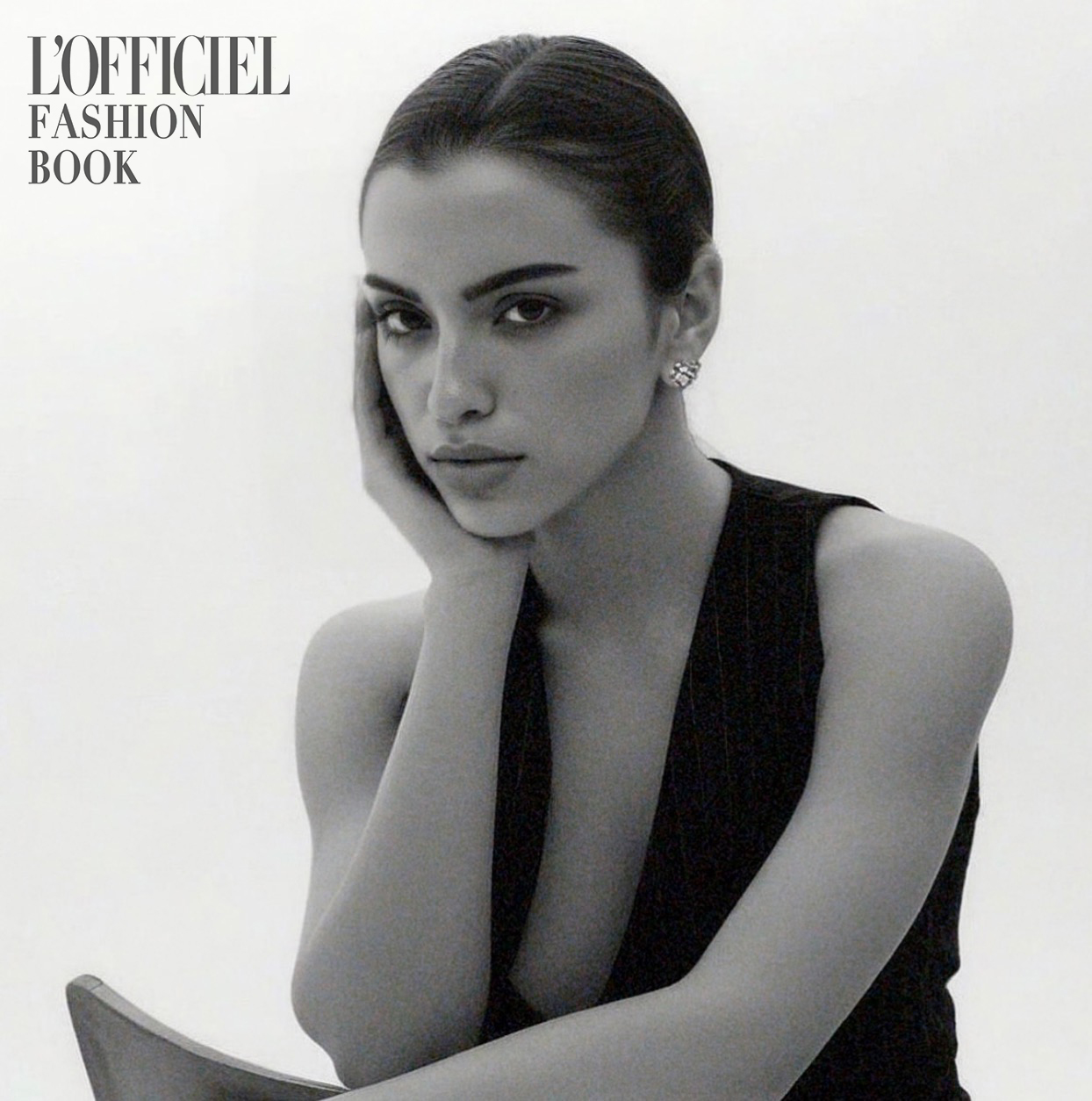
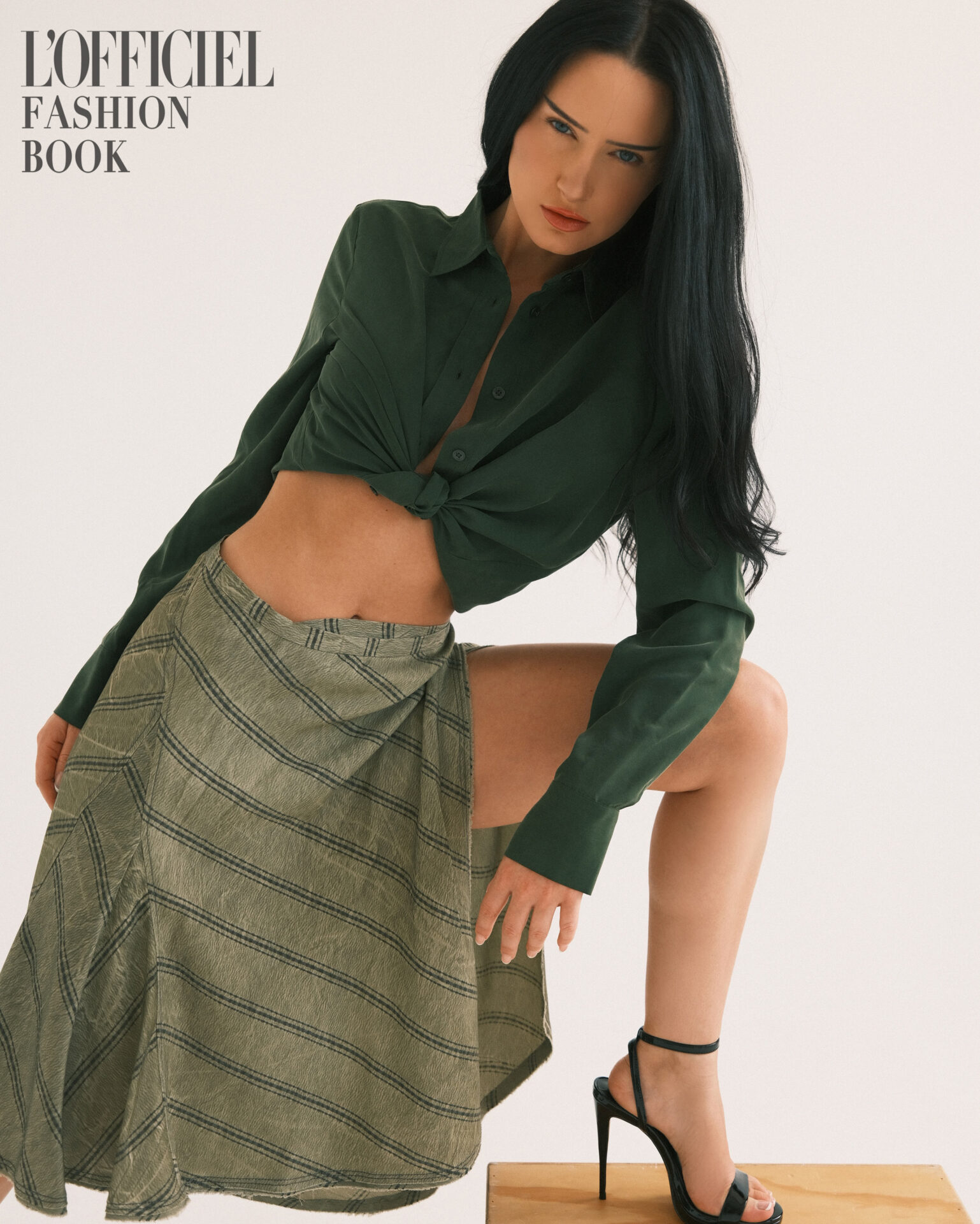
interview
by Dimitri Vorontsov
Eloquence Productions doesn’t treat runway like an event. They treat it like a text you can walk through.
Co-founders Kerin “Kerri” McAleese and Sandra Cohen Alpert build shows the way editors read: line by line, beat by beat, listening for subtext, rhythm, and what a collection is really trying to say beneath the surface. For them, fashion isn’t most powerful when it’s simply seen but when it’s felt and that feeling is designed with precision. Pace becomes sentence structure. Lighting becomes emphasis. Casting becomes voice. Space becomes point of view. The result is runway as engineered emotion: immersive, editorially credible, and quietly confident enough to let restraint do the heavy lifting.
In this interview, the duo breaks down their process without draining it of poetry, from “close reading” a collection and shaping it into acts, to turning venue limitations into atmosphere, to why endings matter like punctuation. In a landscape flooded with spectacle, Eloquence is making a case for something sharper: imagination with discipline, and fashion shows that linger long after the last look exits.
When a designer approaches you, what do you ask first to understand the collection beyond the obvious?
When a designer approaches us, Sandra and I treat the collection the way we would approach a text. We ask what it is arguing, what it is responding to, and what emotional or cultural context it lives in. Like literature or art, a collection has subtext, rhythm, and intent beneath the surface. Sandra and I see runway not as presentation, but as the art of communication. Understanding that underlying narrative is what allows everything else to be articulated with clarity.
You’ve described runway as something you feel, not just see. What are the levers you use to create that feeling?
Runway for us is engineered emotion. We analyze pace the way you would sentence structure, music like tonal register, lighting as emphasis, casting as voice, and space as point of view. Every last facet of experience is intentional. When aligned, the audience does not simply observe the clothes, they experience them physically and emotionally. We believe the magic of art exists in the relationship between orchestrated subtleties.
Do you think in acts when building a show, like an opening, a build, and a final moment?
Very much so. Kerri studied English literature at the University of South Florida, and that foundation in narrative structure deeply informs how we build shows. Every collection is treated like a story with an introduction, rising tension, a moment of revelation, and resolution. Sandra and I work closely to translate a designer’s ideas into a clear narrative arc, ensuring the story is told with eloquence rather than excess. The goal is for the audience to follow the collection intuitively, the same way they would follow a compelling piece of literature.
When brands say they want an experience, what do they usually mean, and how do you clarify that?
Often it means they want their work to be memorable via emotional resonance. In terms of Eloquence, this means bringing the runway into brand’s universe, not the other way around. To help everyone arrive there, we start by dissecting the collection as we would a piece of art. What emotion should linger after the final look? What sensory memory should remain? Once those questions are answered, experience becomes a structured language rather than an abstract ambition.
Casting tells a story. How do you approach it so it feels intentional?
Casting is narrative architecture. We consider presence, contrast, energy, and continuity with the same care a writer gives to character development. Each model personally delivers the narrative. The cast should feel compatible with the brand’s universe, reinforcing the collection’s identity.
How do you direct the walk without it becoming choreography for its own sake?
We approach movement as interpretation. Rather than prescribing steps, we give psychological and emotional direction. The garment informs the movement, not the other way around. Depending on the collection, choreography may be structured or minimal, but it is always in service of the narrative and the integrity of the clothes.
Music can make or break a show. What is your approach?
We prioritize integrity of storytelling over spectacle. A collection grounded in clarity and intention speaks across platforms without compromise.
How do you balance editorial credibility with social visibility today?
We prioritize clarity of storytelling. When a collection is articulated with intention, it translates naturally across editorial, digital, and social spaces. Credibility comes from precision, not excess.
What separates a good show from a great one?
Precision. The pauses. The transitions. The restraint. Those details that may go unnoticed individually but are deeply felt collectively. Much like in writing, what is left unsaid can be just as powerful as what is expressed.
What usually comes first when building an environment?
The clothes always lead. From there, we construct the surrounding world. Space, sound, light, and audience flow are all considered to support legibility and understanding. Every element exists to guide attention, not distract from it.
How do you turn venue limitations into strengths?
Sandra’s background in art school makes her especially adept in alchemizing limitations into defining features. More often than not, these perceived “limitations” actually end up being key factors in delivering the story. They sharpen decision making. A low ceiling, a narrow room, or an unconventional layout informs the atmosphere and often strengthens the narrative rather than restricting it.
How do you know when a show has truly worked?
We know we’ve achieved success when the outside world briefly melts away and is forgotten. When the audience, the team, and the designer are completely present with the collection’s arrival. When the memory of the show remains suspended in the air, quiet but unmistakable.
How do you think about lighting for runway?
Fabric, silhouette, and movement come first. Like good editing, lighting should guide perception quietly, allowing the work to speak without interference.
How do you divide roles between the two of you?
Our roles have come together very naturally. Sandy and I seem to love exactly the things the other one would happily avoid, which has made our collaboration feel almost effortless. There’s a real sense of trust in how we work. We still overlap intentionally in storytelling, pacing, casting, and sequencing, but that overlap comes from curiosity and respect, and it keeps the work feeling cohesive and alive. There’s a genuine sense of enjoyment and fulfillment in every little piece of the work.
What is a recent production challenge you are proud of handling?
We’re proud of our ability to remain calm and decisive under pressure. The fashion industry is built on unforgiving timelines, and last minute changes are inevitable. What matters is the ability to assess quickly, communicate clearly, and make confident decisions without compromising the integrity of the show. Working within tight deadlines has strengthened our trust in each other and reinforced the discipline behind our process.
What changes when working with emerging designers versus established houses?
With emerging designers, we act as editors, refining, protecting, and clarifying the story. With established houses, the focus shifts to precision and evolution. What remains constant is our belief that every collection deserves close reading and thoughtful interpretation.